

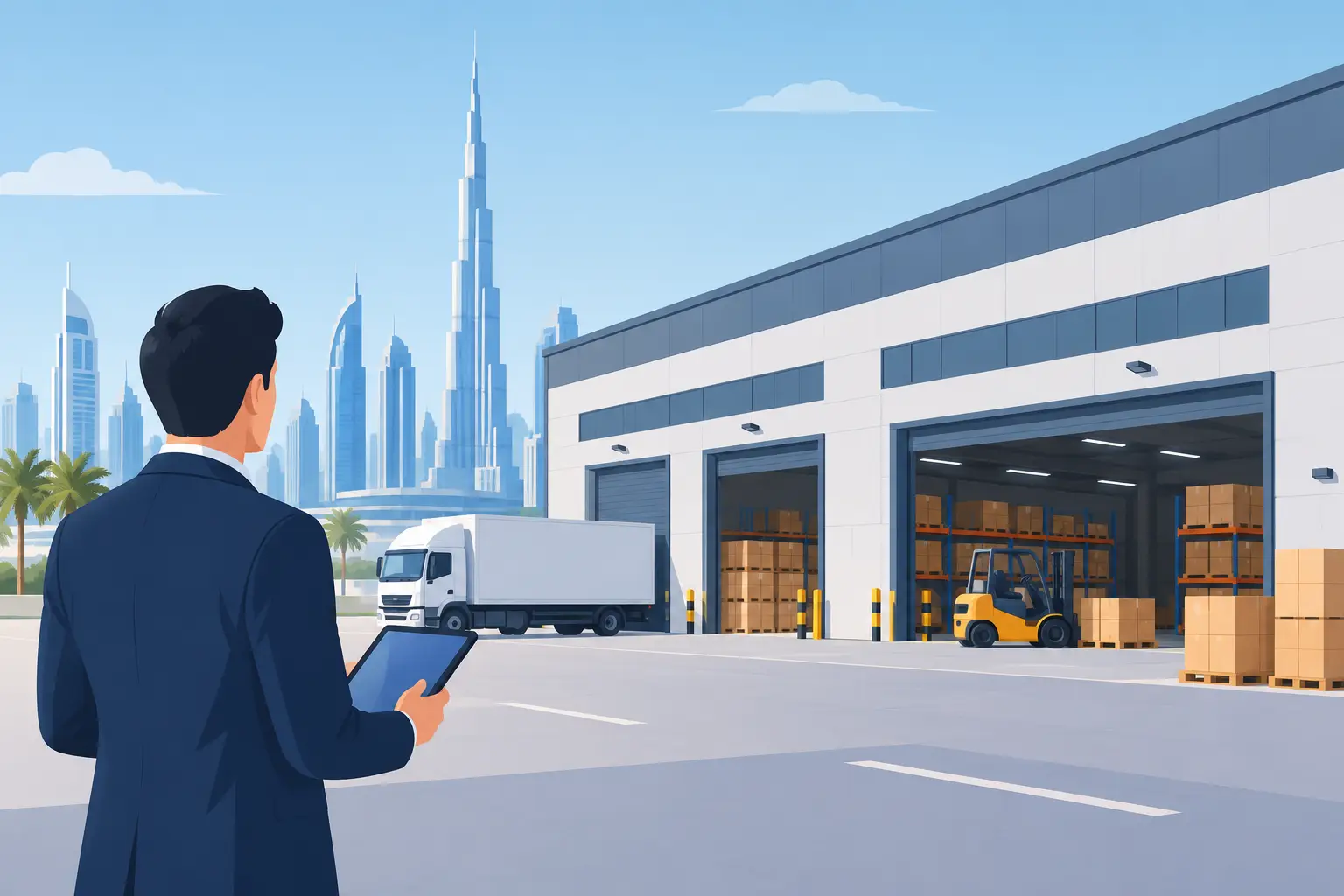
How to Rent Warehouse in Dubai Without Guesswork
A warehouse can either make daily operations easier or become an expensive bottleneck. The difference often comes down to decisions made before the lease is signed. If you are asking how to rent warehouse in Dubai, start by defining what the space must do for your business – not simply how many square feet you can afford.
Dubai offers a broad range of industrial and storage options, from compact units for e-commerce inventory to high-clearance facilities built for distribution, manufacturing, and regional trade. The right choice depends on your licensing structure, delivery routes, utility needs, staff access, and plans for growth. A well-advised search saves time, reduces risk, and puts you in a stronger position at the negotiating table.
Start With Your Operational Requirements
Before reviewing listings, map the journey of your goods from arrival to dispatch. A business importing pallets through Jebel Ali has different needs from a retailer holding fast-moving stock for same-day delivery across Dubai. Size matters, but workflow matters more.
Calculate the area needed for storage, aisles, loading and unloading, packing stations, offices, staff facilities, and any equipment. If racking will be installed, check the usable internal height rather than relying only on the total floor area. A 10,000-square-foot warehouse with limited clear height may offer less practical capacity than a smaller facility designed for vertical storage.
You should also establish whether you need cold storage, temperature control, three-phase power, fire-rated areas, drainage, or space for light production. These specifications can materially affect availability, approvals, fit-out costs, and rent. Be precise early, because adapting the wrong unit later is rarely the cheaper option.
Choose the Right Dubai Warehouse Location
Location should be tied to movement, not just a pin on a map. Dubai’s industrial areas each offer different advantages, and the best fit depends on where your stock comes from and where it needs to go.
Jebel Ali and Dubai South can suit companies connected to ports, freight corridors, logistics operations, and international trade. Al Quoz provides central access for businesses serving Dubai’s established commercial areas, although stock availability and pricing can vary significantly by micro-location. Ras Al Khor, Al Qusais, and Dubai Industrial City may be worth considering depending on your target delivery zones, budget, and operational model.
Ask practical questions during your search. Can delivery vehicles enter and turn easily? Is there sufficient loading space at peak hours? How far are you from major highways, ports, airports, customers, and labor accommodation? A lower rent can lose its value quickly if drivers spend extra time in traffic or if the site causes regular delivery delays.
Free zone and mainland location is another central decision. A free zone warehouse may align well with particular trading, logistics, or international business structures. A mainland facility can offer advantages for businesses that need direct access to the UAE market. The appropriate route depends on your company setup, permitted activities, customs requirements, and commercial plan. Confirm this before committing to a property, not after.
Understand the Full Cost Before You Rent
The advertised annual rent is only one part of the financial picture. Commercial leases in Dubai can include additional costs that affect your first-year budget and your monthly cash flow.
At a minimum, ask for a written breakdown covering rent, security deposit, agency fees, VAT where applicable, service charges or maintenance obligations, utility deposits, cooling costs if relevant, insurance, fit-out expenses, and renewal terms. Some warehouses are offered as shell-and-core units, while others include an office, racking, mezzanine, or basic fit-out. Comparing headline rent alone can lead to a misleading decision.
Payment schedules also matter. A landlord may request rent in one, two, four, or more checks, depending on the building, tenant profile, lease value, and negotiation. A unit with a slightly higher annual rate may still be more manageable if its payment structure better supports your working capital.
Budget for the period between signing and operating as well. Licensing, approvals, signage, civil defense requirements, fit-out work, internet installation, racking, and staff mobilization can all take time. If your business needs to move stock immediately, prioritize a warehouse that is ready for occupancy or build a realistic transition period into the lease.
How to Rent Warehouse in Dubai With the Right License
Your trade license and business activity should guide the type of warehouse you consider. Storage, trading, assembly, manufacturing, food handling, chemical storage, and logistics activities can carry different requirements. A property that looks suitable may not be approved for the activity you intend to conduct there.
Before placing a deposit, confirm the following with the relevant landlord, property manager, and licensing authority:
- The warehouse is permitted for your licensed business activity.
- The unit has the power capacity, fire safety provisions, and access required for your operations.
- Any office, mezzanine, partition, or fit-out plan can be approved.
- Your company can register or use the address as required for licensing and lease documentation.
This is particularly important for regulated goods, including food products, pharmaceuticals, cosmetics, chemicals, and certain industrial materials. Approval pathways vary, and the cost of altering a warehouse after signing can be substantial. Clear advice at the selection stage helps avoid a property that works on paper but not in practice.
Inspect the Property Like an Operator
A viewing should go beyond checking the floor area and taking photographs. Visit at a time that reflects normal traffic conditions where possible, and bring the person who understands your daily operations best.
Inspect the loading bay, shutter dimensions, internal height, slab condition, lighting, ventilation, drainage, fire equipment, and electrical capacity. Look for signs of leaks, poor maintenance, restricted access, or shared loading areas that could create conflict during busy periods. If forklifts, trucks, or high-value inventory will be involved, these details are operational issues, not minor inconveniences.
Measure key points yourself or have them documented. A warehouse may be marketed at a certain size, but your equipment must still fit through the shutter, turn safely, and move through the available aisles. If you plan to install shelving or a mezzanine, seek professional confirmation on loading limits and required approvals.
It is also sensible to ask about building management responsiveness, security arrangements, parking, visitor access, permitted operating hours, and waste collection. The best warehouse is not always the newest one. It is the one that reliably supports your business every working day.
Negotiate the Lease, Not Just the Rent
Once you have identified a suitable property, review the lease with the same care you would give a major supplier agreement. The rent should be competitive, but certainty around obligations is often equally valuable.
Pay close attention to lease duration, renewal options, rent escalation, notice periods, maintenance responsibilities, permitted use, subleasing restrictions, handover condition, and reinstatement requirements at the end of the term. Clarify who pays for repairs to shutters, air conditioning, electrical systems, plumbing, and common areas. These terms can change the true cost of occupancy.
If you are investing heavily in racking, fit-out, or specialist systems, a longer lease or clear renewal arrangement may offer better protection. On the other hand, a growing business may benefit from flexibility if its storage requirements could change quickly. There is no single ideal lease structure. The right one reflects the stability of your demand, the capital you are committing, and your expansion timeline.
Documentation should be complete and consistent. Ensure the unit details, rental amount, payment schedule, deposit, landlord obligations, and any agreed concessions are recorded correctly before funds are transferred. Verbal assurances are not a substitute for written lease terms.
Work With Advice That Protects Your Decision
Warehouse leasing moves quickly in Dubai, especially for well-located, properly configured units. Speed is useful, but rushing into an unsuitable facility can lock a business into avoidable costs and operational constraints. A focused brief, a curated property search, and careful due diligence make the process more efficient without cutting corners.
360 Space LLC helps commercial clients assess suitable warehouse options with local market insight and clear, no-jargon guidance. From comparing locations to understanding lease conditions, the goal is to help you make a decision that fits the business behind the transaction.
The right warehouse should give your operation room to move, not create new obstacles. Define your non-negotiables, inspect every practical detail, and make sure the lease supports where your business is headed next.

Recent Posts

Dubai Title Deed Questions, Answered Clearly